June 9, 2026 - By Monique Thompson
How to Get Drilling Jobs in Australia
Drilling jobs in Australia continue to attract strong interest from candidates seeking physically active, well-paid and rewarding work across the mining, oil, gas and energy sectors. For many people, the appeal of drilling work is obvious. It can offer strong income, rostered work, FIFO opportunities, long-term career progression and exposure to major projects in remote and highly specialised environments. Whether you are interested in mining drilling jobs, oil and gas drilling roles, offshore drilling positions or entry-level driller offsider work, the industry offers a broad range of opportunities for the right candidates.
At the same time, drilling is not easy work and it is certainly not a career path for everyone. Employers are looking for people who are reliable, safety-conscious, physically fit, mechanically minded and willing to work in demanding conditions. Drilling environments can be remote, dirty, noisy, highly regulated and physically exhausting. Success requires more than simply wanting a FIFO job or a high-paying role. It requires preparation, realistic expectations and a well-presented application that demonstrates your suitability for the industry.
If you are serious about securing drilling jobs in Australia, it is important to understand the different types of drilling roles available, what employers look for, what tickets and licences may be required and how to present your experience effectively through a strong drilling resume. This guide explains how to get into drilling, how to improve your chances of securing interviews and what you can do to stand out in a competitive market.
What Are Drilling Jobs?
Drilling jobs involve operating, supporting, maintaining or supervising equipment used to penetrate the earth for mining, exploration, oil, gas, water, geotechnical, construction or energy purposes. These roles may exist across mine sites, exploration camps, civil projects, coal seam gas operations, onshore oil and gas projectsoffshore drilling rigs and specialised energy developments.
Some drilling roles are hands-on entry-level positions, while others are highly technical or supervisory roles requiring years of experience. Drilling work may involve setting up and operating rigs, handling drill rods and equipment, assisting with drilling operations, collecting samples, maintaining machinery, monitoring systems, conducting inspections and supporting safe site operations.
Common drilling job titles include Driller Offsider, Drilling Assistant, Rig Crew, Floorhand, Motorhand, Derrickhand, Driller, Senior Driller, Toolpusher, Rig Manager, Blast Hole Driller, Diamond Driller, Exploration Driller, Waterwell Driller, Offshore Drilling Technician, Mudlogger, Directional Driller, MWD or LWD Specialist, Rig Electrician, Rig Mechanic and Well Services Technician.
Each of these roles carries different responsibilities, salary expectations and entry requirements. Understanding the pathway you are targeting is one of the most important first steps.
Types of Drilling Jobs in Australia
Mining Drilling Jobs
Mining drilling roles are common across Australia’s resources sector and may involve blast hole drilling, underground drilling, exploration drilling, grade control drilling or drill and blast support work. These jobs are often linked to large mine sites in Western Australia, Queensland, South Australia, New South Wales and the Northern Territory.
Mining drilling can suit candidates with strong physical fitness, mechanical awareness, mine site exposure, heavy equipment experience or previous FIFO experience. Entry-level candidates may begin as offsiders or assistants before progressing into operating or supervisory roles.
Oil and Gas Drilling Jobs
Oil and gas drilling jobs may be based onshore or offshore and are often more specialised due to the technical complexity and safety requirements of the industry. Roles may involve rig operations, well servicing, drilling support, mudlogging, directional drilling, equipment maintenance and pressure-related systems.
Oil and gas employers often seek candidates who understand safety-critical environments, permit systems, shift handover, remote work and procedural discipline. Technical workers such as rig electricians, rig mechanics, mudloggers and directional drilling specialists may require specific qualifications, industry exposure and equipment knowledge.
Offshore Drilling Jobs
Offshore drilling jobs usually involve work on drilling rigs, platforms, support vessels or other marine assets. These roles can offer excellent income and unique career pathways, but they typically require stricter safety compliance, medical fitness, offshore tickets and a strong understanding of high-risk work environments.
Offshore drilling may involve long rosters, helicopter transfers, shared accommodation, strict emergency response requirements and work in isolated marine environments. Employers want candidates who can demonstrate maturity, safety awareness, resilience and the ability to work professionally in close team environments.
Entry-Level Drilling Jobs
Entry-level drilling roles, such as driller offsider or drilling assistant, are often the first step into the industry. These jobs are physically demanding and can be a proving ground for candidates who want to build long-term careers in drilling.
Driller offsiders commonly assist drillers with equipment handling, site preparation, sample collection, cleaning, rig support, manual handling and general labouring tasks. The work can be tough, but it can also provide a valuable pathway into mining, oil and gas, exploration and remote site careers.
Why Drilling Jobs Are So Competitive
Drilling jobs are attractive because they can provide strong financial rewards and a clear career pathway without necessarily requiring a university degree. Many people are drawn to FIFO drilling jobs because of the roster structure and earning potential, while others are interested in the adventure, technical nature or long-term security of the industry.
However, competition is strong because employers want dependable people who will perform well in harsh environments. Drilling work can involve long hours, manual labour, exposure to dust, mud, grease, vibration, extreme weather and remote living conditions. Employers do not want candidates who are unprepared for the realities of the role. They want people who understand the demands and can contribute safely and consistently.
This is particularly important because drilling operations are safety-critical. Workers are often operating around heavy equipment, high-pressure systems, rotating machinery, suspended loads, confined environments and isolated locations. A careless or poorly suited worker can present a risk to the crew, the equipment and the broader operation.
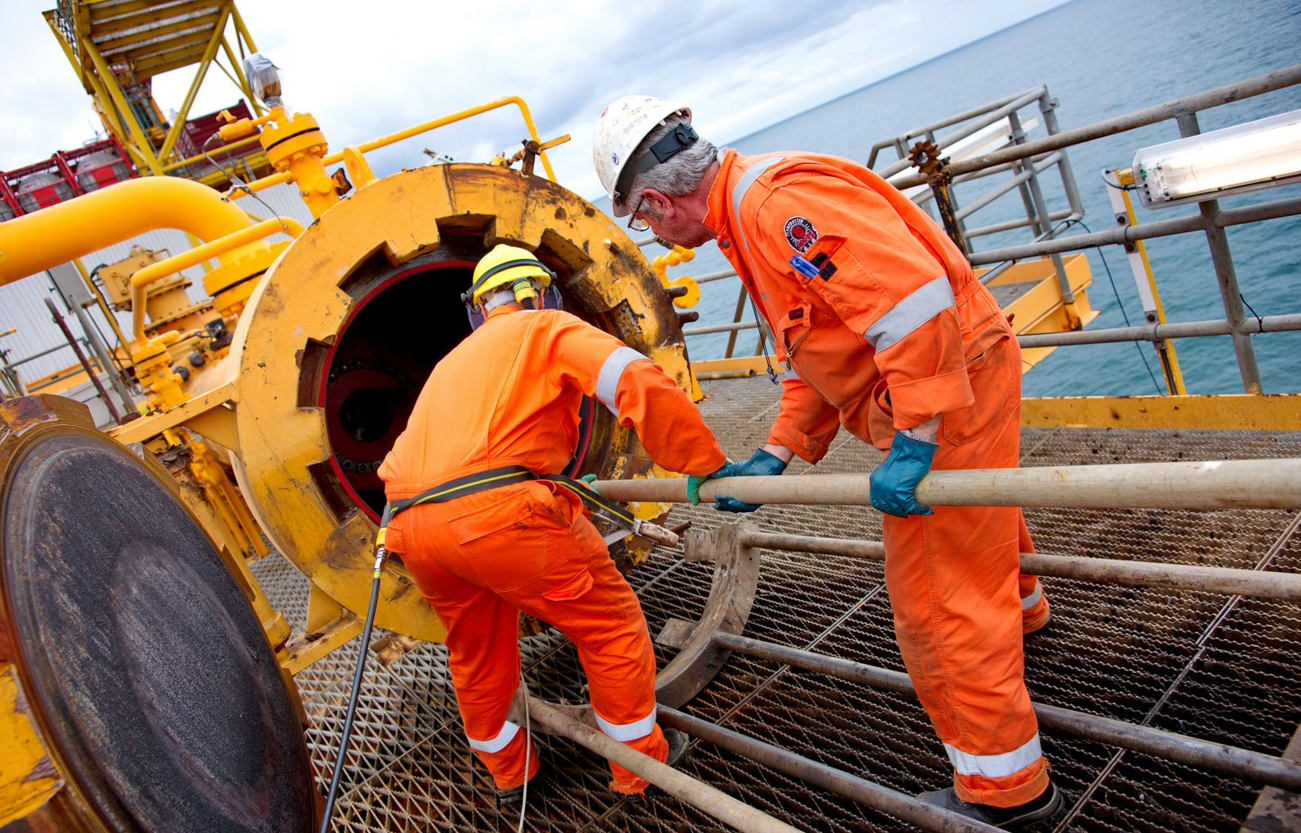
How to Get Drilling Jobs in Australia
1. Decide Which Drilling Pathway Suits You
One of the biggest mistakes candidates make is applying for every drilling role they can find without understanding the differences between them. Not all drilling jobs are the same. A driller offsider role on a mineral exploration project is very different from an offshore drilling support role or a blast hole drilling job on a mine site.
Before applying, consider whether you are looking for entry-level drilling work or an experienced role, whether you want mining, oil and gas, offshore or exploration work, and whether you have transferable experience from labouring, mechanical work, mining, construction or transport. You should also be realistic about whether you are prepared for FIFO, DIDO, remote work and physically demanding shifts.
Answering these questions will help you target the right roles and prepare a more relevant application.
2. Build Relevant Transferable Experience
Not everyone enters drilling with direct rig experience. Many successful drilling candidates begin with backgrounds in labouring, construction, warehousing, agriculture, transport, trades, mining support or other physically demanding industries.
Transferable experience that can strengthen your application includes manual labour, outdoor work, use of hand and power tools, machinery operation, shift work, remote site experience, safety compliance, mechanical aptitude and team-based work in structured environments.
If you do not yet have direct drilling experience, focus on presenting your background in a way that highlights these strengths. Employers want to see that you are accustomed to physically demanding work and that you understand the importance of following instructions, working safely and supporting the broader team.
3. Be Realistic About Entry-Level Roles
If you have no drilling experience, you will usually need to start in an entry-level position rather than applying for senior drilling roles. Entry-level jobs may include Driller Offsider, Drilling Assistant, Rig Crew Assistant or labour support roles connected to drilling operations.
These roles are often tough, but they are valuable for building experience, learning site procedures and proving your work ethic. Many long-term drillers, supervisors and rig managers started in highly physical support positions and progressed over time through experience and performance.
A candidate who understands this pathway is usually viewed more favourably than someone who wants to enter at a level they have not yet earned.
4. Obtain the Right Tickets and Licences
The exact requirements for drilling jobs vary depending on the employer, site and type of drilling work involved. However, holding the right tickets can improve your employability and show employers that you are serious about entering the industry.
Commonly requested tickets and licences may include a C Class manual driver licence, HR or higher licence for certain roles, White Card, First Aid and CPR, Working at Heights, Confined Space Entry, Gas Test Atmospheres, Forklift Licence, National Police Check, Standard 11 for some Queensland mining roles, Coal Board Medical where relevant, 4WD training, site inductions, trade qualifications for technical roles and BOSIET or HUET for offshore work.
It is important not to waste money on unnecessary training. Look closely at the roles you want to target and identify the tickets that appear most often. Training should be strategic and relevant.
5. Demonstrate Physical Fitness and Resilience
Drilling jobs are physically demanding, particularly at entry level. A driller offsider, for example, may spend long hours lifting, carrying, cleaning equipment, supporting rod handling, maintaining work areas and working in hot, muddy or otherwise difficult conditions.
Employers want to see evidence that you can cope with long shifts, heavy manual handling, outdoor work in extreme temperatures, repetitive physical activity, remote camp living, fast-paced environments and fatigue management.
Your resume should show examples of physical work, attendance reliability and the ability to perform consistently under pressure. Strong work ethic, punctuality and stamina are often just as important as previous industry exposure.
6. Show a Strong Safety Mindset
Safety is central to drilling. Employers want workers who understand risk, comply with procedures and take site rules seriously. If your resume says little or nothing about safety, it may not inspire confidence.
You should include examples of experience with hazard identification, pre-start checks, toolbox talks, SWMS or JSA participation, PPE compliance, manual handling controls, safe equipment use, housekeeping, incident reporting, following supervisor instructions and working around heavy equipment.
Safety should not be treated as a single sentence at the bottom of your resume. It should be clearly demonstrated throughout your experience, particularly if you have worked in construction, mining, logistics, transport, manufacturing, agriculture, civil works or heavy industry.
7. Tailor Your Résumé for Drilling Jobs
A generic resume will usually underperform in the drilling sector. Employers and recruiters do not want broad, vague descriptions. They want to know whether you can do the job, work safely and fit into a drilling crew.
Your drilling resume should include a drilling-focused career profile, a prominent tickets and licences section, clear details of physical or mechanical experience, FIFO or remote work exposure, safety and compliance capability, equipment or tool experience, a clear employment history with dates and strong wording that matches the job ad.
Instead of writing “general labouring duties”, write something more targeted such as:
Performed physically demanding labouring duties in fast-paced site environments, including manual handling, use of tools and equipment, work area maintenance, hazard awareness and adherence to supervisor instructions and site safety requirements.
Instead of writing “seeking FIFO work”, write:
Physically fit and safety-conscious candidate seeking to transition into drilling operations, offering strong manual labour capability, mechanical aptitude, reliability and willingness to work remote FIFO rosters.
8. Use Drilling Keywords
Many recruitment processes involve keyword searching or applicant tracking systems. Including relevant keywords naturally throughout your resume can improve your visibility.
Useful drilling-related keywords may include drilling jobs Australia, FIFO drilling jobs, driller offsider, drilling assistant, exploration drilling, blast hole drilling, diamond drilling, oil and gas drilling, offshore drilling, rig crew, floorhand, motorhand, derrickhand, toolpusher, well services, remote site work, manual handling, mechanical aptitude, hazard identification, safety compliance, shift work and equipment maintenance.
These should only be used where honest and appropriate. Accuracy is critical. The purpose of keywords is to help employers identify relevant experience, not to exaggerate your background.
9. Be Prepared for Medicals and Screening
Most drilling employers require pre-employment screening. This may include medicals, drug and alcohol testing, police checks and references. If you are serious about getting into drilling, be prepared for this process and respond promptly when requested.
Being organised helps. Have your documents, references and tickets ready so you can act quickly if a recruiter contacts you. In many drilling recruitment processes, the candidates who are prepared, responsive and easy to deal with can move forward more quickly than those who delay or provide incomplete information.
10. Apply Through the Right Channels
Drilling jobs can be found on major job boards, labour hire company websites, mining and energy company career pages and specialist recruitment agencies. Follow drilling companies, mining contractors and oil and gas recruiters so you can apply early when new roles appear.
Candidates who respond promptly and present a well-prepared application often have an advantage, particularly when employers are mobilising urgently. A clear resume, current tickets and professional communication can help you make a stronger impression from the beginning.
Common Reasons Candidates Miss Out
Many capable candidates miss out on drilling jobs because their application does not communicate their suitability. Common reasons include using a generic resume, applying for roles above their experience level, not listing tickets clearly, failing to show physical work capability, failing to show safety awareness, providing vague duty statements, not tailoring the application to drilling, including too much unrelated information, poor formatting or unclear work history.
Even if you are a good worker, a weak resume can prevent you from getting an interview. Drilling employers need information quickly. They want to see your tickets, experience, physical suitability, safety awareness and availability without searching through unnecessary details.
Career Progression in Drilling
Drilling can offer excellent long-term progression for people who are committed and capable. A typical pathway may begin with a Driller Offsider or Drilling Assistant role and progress to Driller, Senior Driller, Supervisor or Rig Manager over time.
Oil and gas pathways may also progress through roles such as Floorhand, Motorhand, Derrickhand, Assistant Driller and Driller, while technical specialists may move into directional drilling, mudlogging, MWD, LWD or maintenance support roles.
For people who are willing to work hard, learn quickly and build strong safety habits, drilling can become a long-term profession rather than just a job.
What to Include in a Drilling CV?
A strong drilling resume should be direct, practical and easy for recruiters to assess. It should open with a focused profile that immediately positions you for drilling, FIFO, mining or oil and gas roles. It should then clearly list your licences, tickets, medicals, inductions and training.
Your work history should be written in a way that demonstrates physical capability, teamwork, reliability, safety awareness and exposure to tools, machinery or site environments. If you have worked in labouring, construction, agriculture, transport, warehousing, manufacturing or mining support, those details should be translated into language that drilling employers understand.
Useful details to include may involve shift work, long hours, remote locations, repetitive manual tasks, equipment handling, cleaning and maintaining work areas, assisting trades, using hand tools, completing pre-start checks, following site procedures and supporting safe team outcomes.
Sample Resume Profile for Drilling Jobs
Physically fit, safety-conscious and reliable candidate seeking to build a long-term career in drilling, offering strong experience across manual labour, outdoor work, equipment handling, shift work and team-based environments. Demonstrates excellent work ethic, mechanical aptitude, hazard awareness and the ability to follow instructions in high-pressure settings. Well suited to entry-level drilling, driller offsider, FIFO drilling and remote site support roles, with a strong commitment to safety, attendance, productivity and continuous learning.
Final Thoughts
Drilling jobs in Australia can provide excellent opportunities for candidates seeking rewarding work across mining, oil, gas and energy projects. However, success in this field requires more than enthusiasm. It requires preparation, resilience, safety awareness and a resume that clearly demonstrates your value.
If you want to secure drilling jobs, take the time to understand the role, target the right level, gain relevant tickets, present your transferable experience effectively and tailor your application to the drilling industry. Employers want candidates who are realistic, committed and ready to contribute from day one.
Whether you are targeting driller offsider jobs, FIFO drilling roles, mining drilling positions or offshore drilling opportunities, your goal should be the same: show employers that you are physically capable, safety-focused, reliable and genuinely prepared for the demands of the drilling environment. With the right strategy and a professionally written drilling resume, you can place yourself in a far stronger position to secure interviews and move into this competitive and rewarding sector.